
That's not “a bit better.” Pain that travelled down the leg and then retreats to the lower back, with sleep returning, is real progress, even if you're not pain-free. What “better” actually looks like when pain has been around for years.
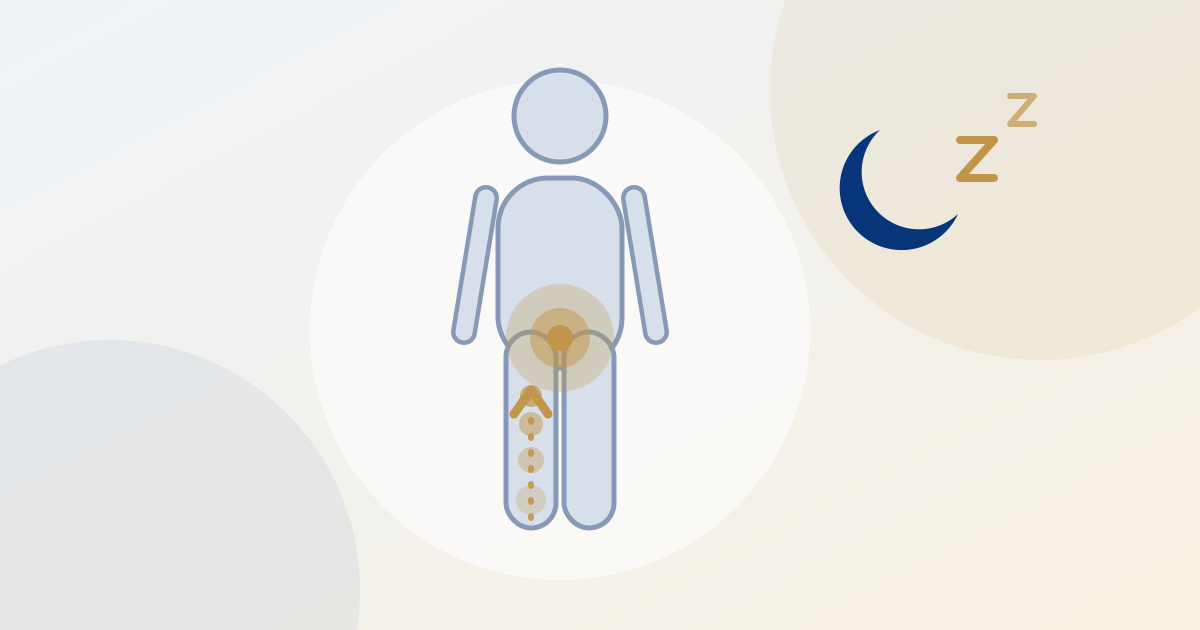
Pain that has travelled down the leg and then retreats towards the lower back, with sleep returning, is real progress even if you are not pain-free. This pattern is called centralisation, and research links it with better outcomes in back pain. After long-standing pain, recovery is usually a gradual retreat of symptoms rather than a light switch from pain to no pain.
What actually counts as "better"?
A patient came in with back pain they'd had for two years. It ran down their leg, and most nights it woke them up.
After a course of treatment, they were asked how they were feeling, and their answer was hesitant: "I guess... a bit better?" But when asked a few more questions, the real picture came out. The leg pain was gone. What remained was localised to the lower back. And they were sleeping through the night again.
That's not "a bit better." That's a genuinely significant shift, and I want to explain why, because I think a lot of people undersell their own progress simply because pain hasn't vanished completely.
There's a name for what happened here: centralisation. It's a well-studied pattern where pain that's been radiating out to a limb, down the leg in this case, retreats back toward the spine. It's not just a nice-sounding idea. It's one of the more reliable prognostic signs we have in back pain. A systematic review found centralisation generally linked with better outcomes, and in one study of 223 people followed over a year, a change in where the pain was felt during treatment was a predictor of how things turned out. The flip side is just as telling: leg pain at the start, and pain that doesn't retreat, were predictors of pain that went on to become chronic.
So when leg pain resolves into localised back pain, and sleep comes back, that's the body and nervous system moving in the right direction, even though pain is still present.
I think the mismatch here comes down to expectations. We tend to picture "better" as a light switch: pain, then no pain. But for pain that's been building for two years, recovery is much more often a retreat. Symptoms pull back, becoming smaller, more localised and less disruptive, before they resolve completely. Recognising that pattern matters, because if you're waiting for the light switch, you might miss the very real progress happening under your feet.
Which raises the obvious next question: if the pain is genuinely improving, why does it still take time to fully resolve? That's worth its own explanation, because there's a lot happening under the surface after two years of pain, and it's not something that unwinds overnight.
Part two of this series looks at exactly that: why long-standing pain changes the way your body moves, and why that takes real time to retrain.
Related reading
- Sciatica and referred leg pain
- Lower back pain
- What counts as better? (Part 2)
- Do you actually need "maintenance" chiropractic visits?